

Pillar Three: Stress — When the Suit Learns to Stand Down
A few weeks ago, when I began writing about evolving the kinks in our spacesuits, I was simply trying to make sense of a few puzzling changes in my own life. Sleep that wouldn’t come. A body that felt tense for no obvious reason. Weight creeping up even though my habits have not changed much. Then the dots began connecting. First came Pillar One: Sleep, when I realized how deeply my body had been running on empty. Then, Pillar Two: Oxygen, when nighttime oxygen quietly changed the way my body rested and restored itself. And now another piece of the puzzle has stepped forward. Stress.
More specifically, the chemistry of stress — the hormone cortisol — and how it quietly shapes the way our spacesuits function. Let me ask you something.
How often do you feel as if your mind is still racing long after the day has ended?
How often does your body stay tense even when nothing dramatic is happening?
And how often do you tell yourself, “I’m fine,” while your nervous system is quietly waving a little white flag?
Stress is not just an emotion. Stress is a biological signal. When the brain senses pressure — whether from work, finances, relationships, health concerns, or even a busy schedule — stress activates the body’s alarm system. Cortisol rises. Adrenaline follows. Blood pressure increases. Blood sugar climbs to prepare the body for action. For short bursts, this system is brilliant. It is the reason human beings survived saber-toothed tigers and icy winters. The problem appears when the alarm never fully turns off. That is where many of us live.
For years, I thought of stress as something emotional or situational. If I stayed positive, prayed, kept my perspective, and pushed forward, everything would work out. Spiritually, that approach has served me well. And yet the body has its own language.
Over the past few years, my schedule has held its share of responsibilities: writing a memoir, preparing speaking presentations, leading a Lions Club, managing technology that sometimes behaves like a stubborn mule, and navigating the everyday logistics of life without sight. Add finances, deadlines, and the ordinary human desire to do meaningful work, and the internal pressure slowly builds. None of these pieces was catastrophic. Together, they formed a steady hum in the background of my nervous system.
Cortisol does not care whether stress is dramatic or subtle. It simply responds. When cortisol remains elevated for long stretches, it can disrupt sleep cycles, increase appetite, store fat more easily, and keep the body in a mild state of vigilance. The body becomes like a guard dog that never quite lies down. Which brings me back to the spacesuit.
Our bodies are extraordinary vehicles designed to carry our spirit through this lifetime. Like any suit, they need oxygen, rest, nourishment, and balance in order to function smoothly. When stress stays high, the suit tightens. Systems that should cooperate begin working against one another. Sleep grows lighter. Metabolism becomes stubborn. Energy drains faster. Once I began recognizing this pattern, I could see the connections more clearly.
The sleepless nights were not random. The body temperature swings were not mysterious. Even the gradual weight gain over several years was not simply about food. My spacesuit had been living in a constant low-level state of alert. And here is the encouraging part. The body is remarkably willing to recalibrate once it senses safety again. As oxygen improved sleep, and sleep improved energy, another shift began happening quietly beneath the surface. My nervous system started easing out of “fight or flight” mode and drifting toward something much healthier — what scientists call the parasympathetic state, where the body repairs, digests, restores, and balances itself.
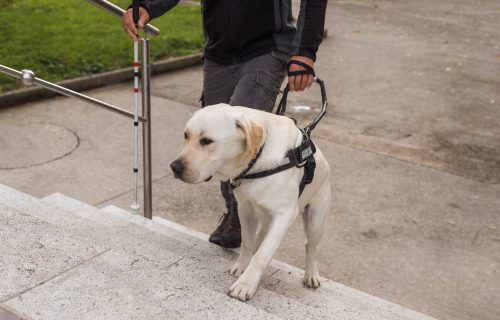
We often imagine stress management as something elaborate: retreats, perfect schedules, or hours of meditation. In reality, the nervous system responds to very small signals. A slow walk with Ava while the wind moves through the trees. A deep breath before reacting to something frustrating. A moment of laughter with a friend. Even singing — which I do often — turns out to regulate the vagus nerve and calm the stress response. Little signals. Little adjustments. Little reminders to the spacesuit that it is safe to relax.
The fascinating discovery for me has been this: stress, oxygen, sleep, appetite, and metabolism are not separate stories. They are one system speaking many languages. When we listen carefully, the body begins telling the truth. And that truth is not discouraging. That truth is hopeful. Because when we reduce the constant pressure on our system — even slightly — the body begins working with us again instead of against us. The spacesuit loosens. The breathing deepens. Energy returns. And slowly, quietly, the dots keep connecting. And when we learn how to care for the spacesuit with wisdom instead of frustration, we begin to fly with greater ease — and change the way we see and change the way we live.
References
McEwen, B. S. (2007). Physiology and neurobiology of stress and adaptation: Central role of the brain. Physiological Reviews.
Sapolsky, R. M. (2004). Why Zebras Don’t Get Ulcers. Henry Holt & Company.
American Psychological Association. Stress effects on the body. https://www.apa.org
Harvard Health Publishing. Understanding the stress response. Harvard Medical School.
National Institutes of Health (NIH). Cortisol and the body’s stress response.
Cleveland Clinic. Cortisol: What it is and how it affects your health.


Add A Comment